
If you’re purchasing a property that has a private drainage system, it is important to understand how it operates and whether it complies with current regulations.
From a practical point of view, the property is likely to have one of the following systems in place:
- Cesspit
- Sewage Treatment Plant
- Septic Tank
How do these systems work?
Cesspit
A large underground holding tank that requires emptying approximately every 6-8 weeks depending on the size.
Cesspits are usually constructed of brick or blockwork, but modern ones can be made from glass, reinforced plastic, or similar materials.
Sewage Treatment Plant
This is a self-contained wastewater treatment system, usually located near the property in a purpose-built unit. They require a permanent electricity supply which, depending on the make and model, helps and encourages the growth of microorganisms that treat the wastewater.
The treatment of the water is achieved by the introduction of oxygen into the system, and once the water is treated, it allows for the effluent water to be discharged to the ground or a ditch/stream. As with all systems, it requires an annual service to ensure that it is working correctly.
Septic Tank
An underground tank that allows separated wastewater to discharge to the ground.
Septic tanks provide an environment for natural separation to take place. The dense material falls to the bottom of the tank to create a sludge layer, and oils, fat, grease etc rise to the top. The middle layer of water is then discharged to a drainage field, such as a soakaway.
What are the Rules for Private Drainage?
In January 2015, the Department for Environment Food and Rural Affairs (DEFRA) released new regulations in England called “Small Sewage Discharge General Binding Rules”.
We’ve outlined some of the key points below:
- You cannot discharge from a septic tank into a watercourse or ditch
- You can only discharge from a septic tank into a secondary treatment system, such as a drainage field
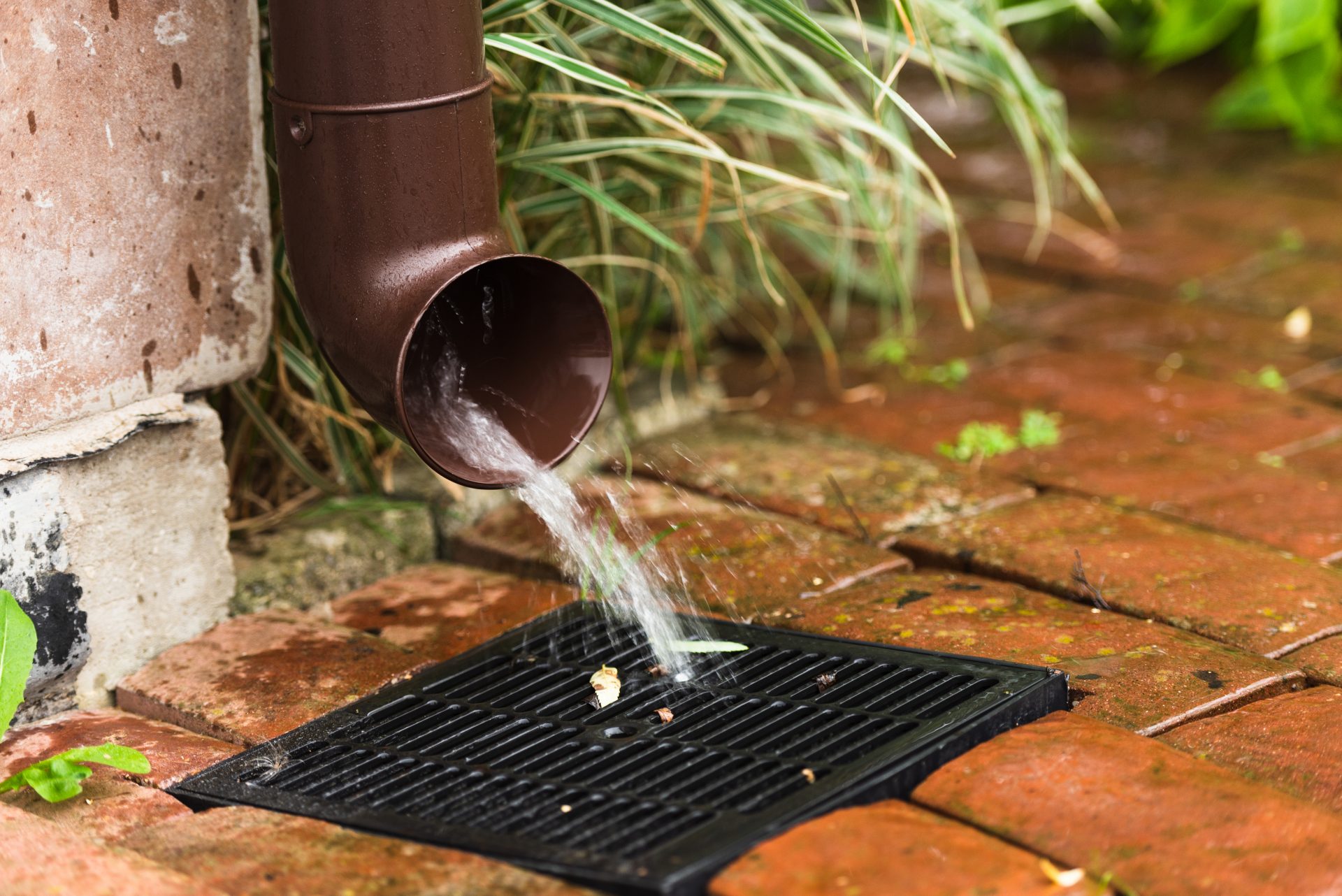
- Surface water from the property (ground/gutters) cannot drain into a septic tank or sewage treatment plant
- Only sewage treatment plans can discharge straight to a watercourse or ditch
- A non-compliant system should be addressed within 12 months of its discovery
- A non-compliant system should be addressed as a condition of sale during a property transaction to ensure a buyer is purchasing with full knowledge of any possible associated costs
How Can We Help?
Whether you’re purchasing a property that has a private drainage system, or currently own one and are unsure about your rights and obligations, our experts are here to help.
Get your enquiry started today by calling us on 01743 248545, or send an email to mail@hatchers.co.uk. You can also use our Contact Us form.